views: 1 time: 2026-09-30
Use
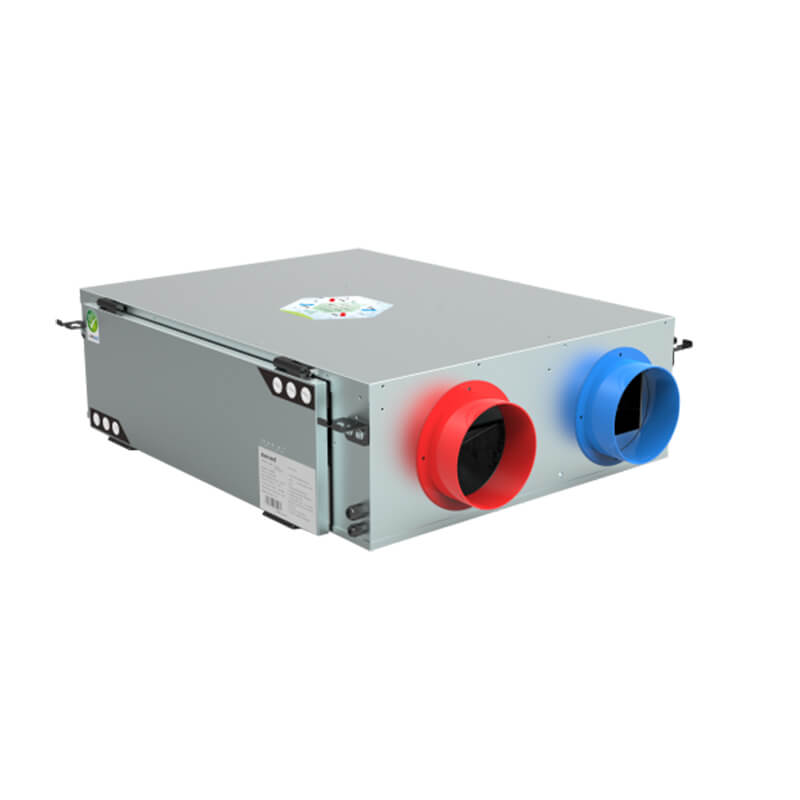
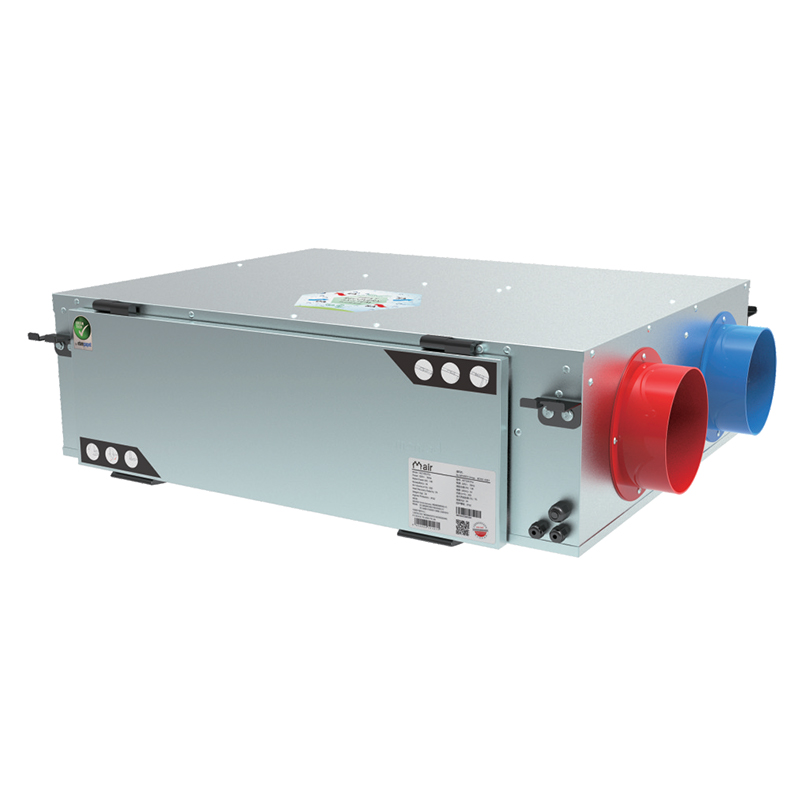
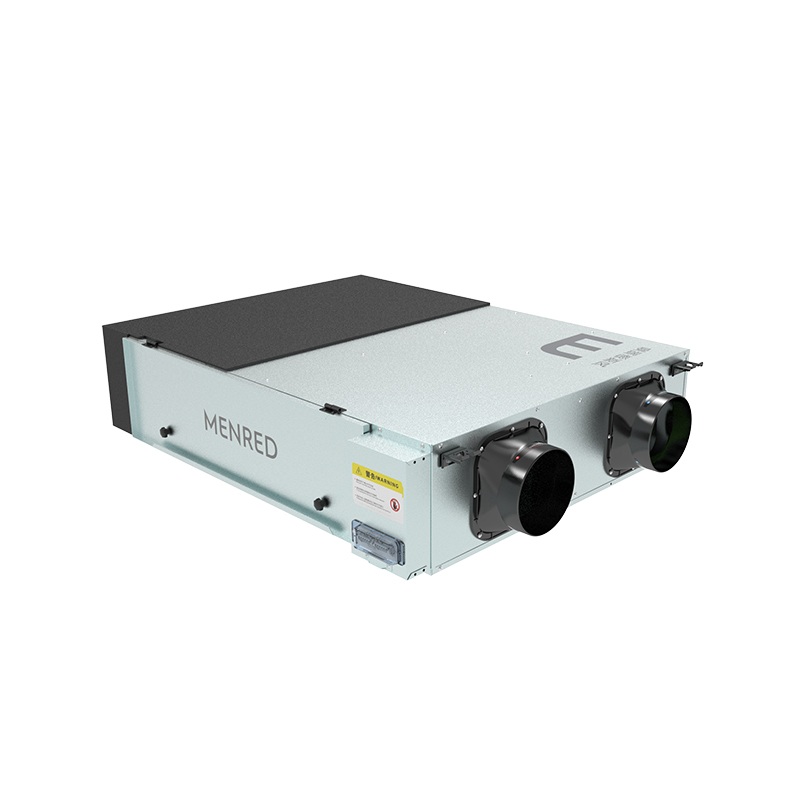
NET250.Pro / NET350.Pro Energy Recovery Ventilators
E51.33D Programmable Fresh Air Controllers
Application
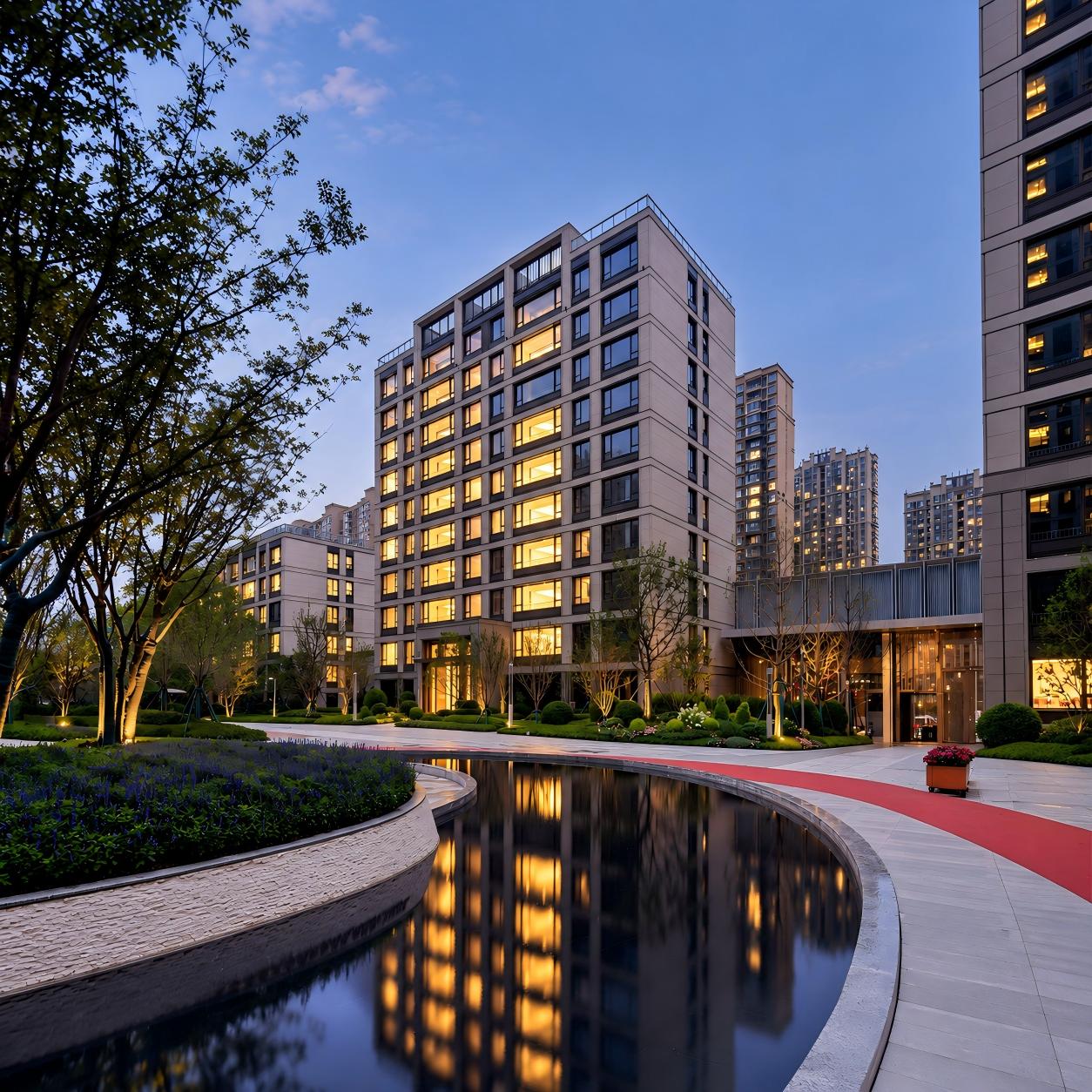
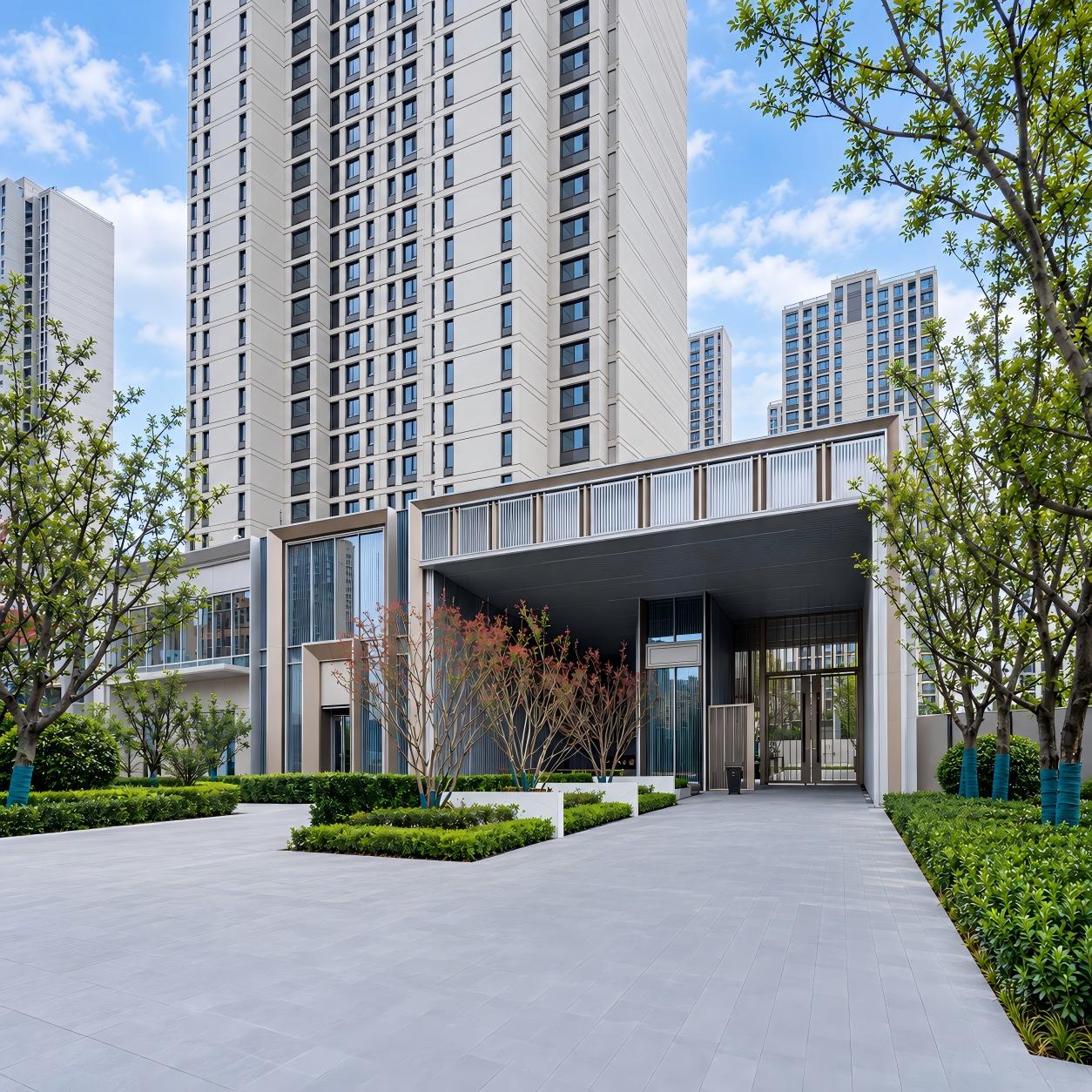
Country Garden Yunding|Jinan, Shandong
Characteristics
1. Balanced Fresh Air and Exhaust VentilationThe MENRED
NET.Pro Energy Recovery Ventilator is designed to continuously introduce outdoor fresh air while removing stale indoor air.
Compared with ventilation based only on opening windows or supplying outdoor air, a balanced ducted ventilation system allows fresh-air supply and exhaust air to operate as part of one coordinated residential ventilation solution.
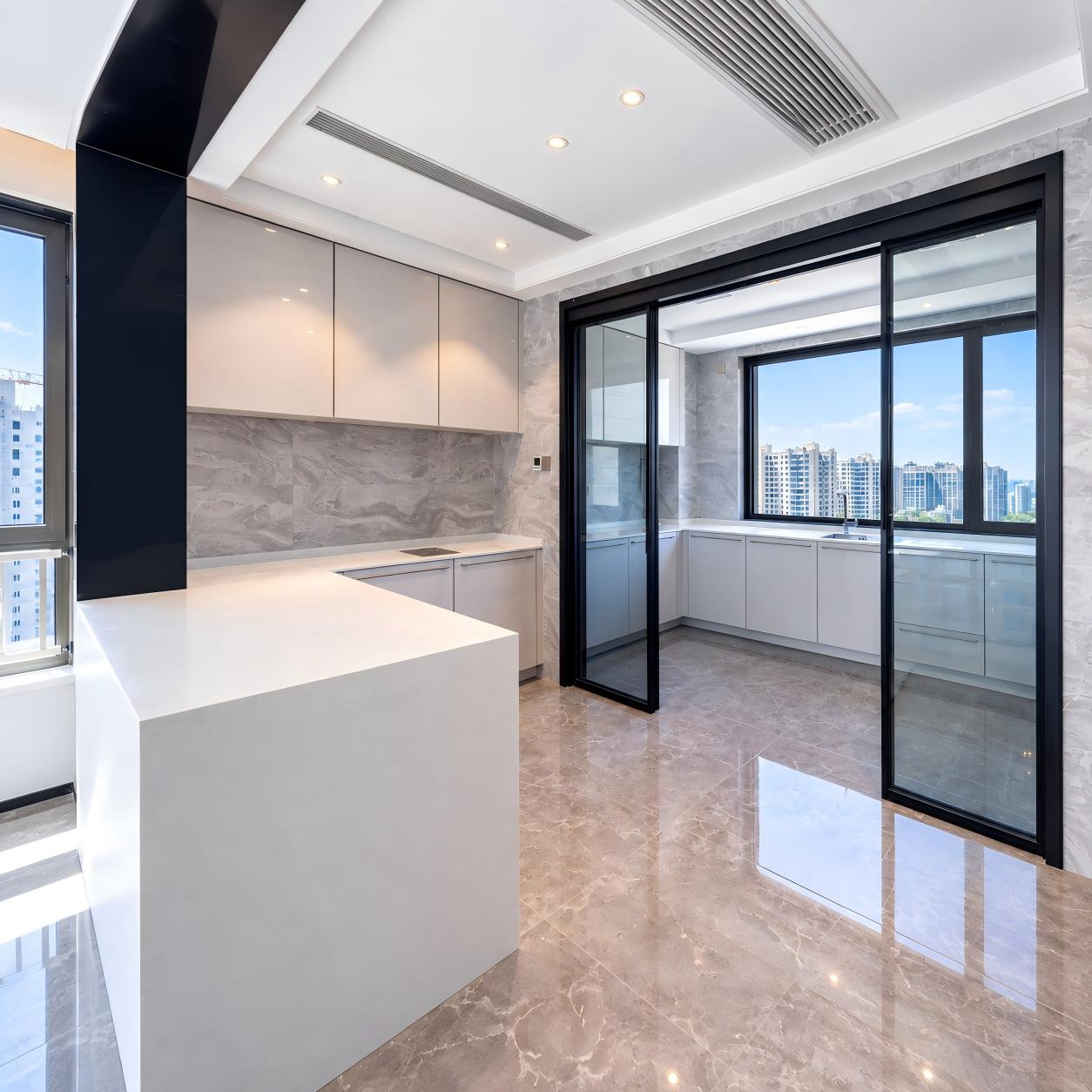
This makes it particularly suitable for modern urban apartments where residents require both fresh air and controlled indoor comfort.
2. Energy Recovery During VentilationVentilation inevitably introduces outdoor air with different temperature and humidity conditions from the indoor environment.
The NET.Pro series uses a
counter-flow enthalpy heat exchange core to transfer heat and moisture between outgoing exhaust air and incoming fresh air. This allows part of the energy contained in the conditioned indoor air to be recovered before it is exhausted outdoors.
For residential HVAC applications, this helps reduce the additional heating or cooling load associated with continuous fresh-air ventilation.
3. H13 Fresh Air FiltrationIndoor air quality depends not only on the amount of ventilation, but also on the quality of the incoming air.
NET250.Pro and NET350.Pro use an
H13 filter on the outdoor-air inlet side and an
H11 filter on the return-air side.
This filtration configuration allows the residential ventilation system to deliver filtered outdoor air while protecting the internal heat-exchange system from airborne particles.
4. Two Airflow Sizes for Different Ventilation RequirementsThe project uses both NET250.Pro and NET350.Pro, providing different airflow capacities for residential ventilation design.
The NET250.Pro provides airflow settings up to approximately
250 m³/h, while the NET350.Pro reaches approximately
350 m³/h, allowing the ventilation equipment to be selected according to the designed fresh-air demand of different residences.
Using different airflow classes within one residential project provides greater flexibility than applying one ventilation unit specification to every apartment.
5. Programmable Ventilation ControlMENRED
E51.33D Programmable Fresh Air Controllers provide the room-side control interface for the ventilation system.
The controller supports manual operation as well as programmable automatic operation, allowing ventilation schedules and fan speeds to be adjusted according to residential usage patterns.
This means the ventilation system can operate according to daily living requirements rather than relying only on continuous fixed-speed operation.
6. Low-Noise Ventilation for Residential SpacesNoise performance is particularly important when ventilation equipment is installed above ceilings in apartments.
The NET250.Pro operates at approximately
23–34 dB(A) across different fan speeds, while the NET350.Pro operates at approximately
25–37 dB(A).
This makes the NET.Pro series suitable for residential applications where continuous ventilation needs to coexist with quiet indoor living.
More about the project
Country Garden Yunding is located in Lixia District, Jinan, close to the city's CBD-influenced urban area. For modern residential developments in this type of city environment, ventilation design needs to address more than simply bringing outdoor air indoors.
A complete residential fresh-air system must consider
air filtration, stale-air exhaust, energy recovery, airflow selection and user control at the same time.
For ventilation applications within the project, MENRED
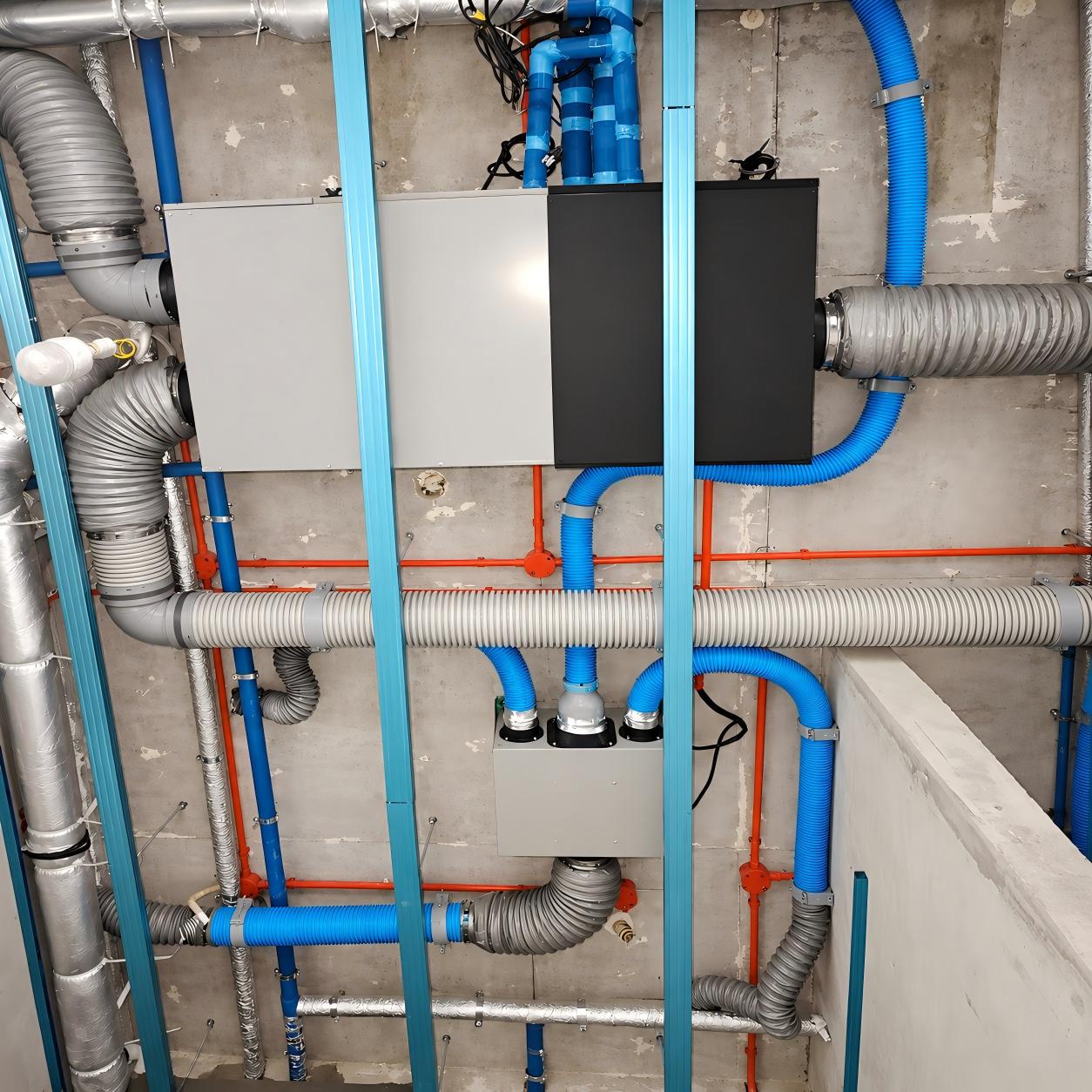
NET250.Pro and NET350.Pro Energy Recovery Ventilators are paired with
E51.33D Programmable Fresh Air Controllers.
Outdoor air first passes through the filtration system before being supplied to occupied rooms. At the same time, stale indoor air is extracted from the residence and passes through the energy-recovery core before being discharged outdoors.
Inside the exchanger, heat and moisture can be transferred between the supply and exhaust air streams without directly mixing the two airflows. This helps preserve more of the indoor thermal energy while maintaining continuous fresh-air ventilation.
The use of both
250 m³/h and 350 m³/h ventilation units also allows the ventilation design to accommodate different fresh-air requirements across residential applications rather than relying on a single equipment size.
At the user level, the E51.33D controller provides programmable operation and fan-speed management, creating a ventilation system that can respond more conveniently to everyday residential use.
By combining
filtered fresh-air supply, stale-air exhaust, enthalpy energy recovery and programmable control, the project demonstrates a practical
residential energy recovery ventilation solution for modern urban apartments.
 Deutsch
 中文
中文